
Low Location Lighting (LLL) Systems on Passenger Ships / Test & Measurement Certificate
Low Location Lighting (LLL) systems are a critical safety feature on passenger ships, designed to assist passengers and crew in identifying escape routes when normal or emergency lighting becomes ineffective due to smoke conditions. The performance of these systems is regulated through international conventions, IMO resolutions and ISO standards, which define both installation requirements and verification through testing and measurement.
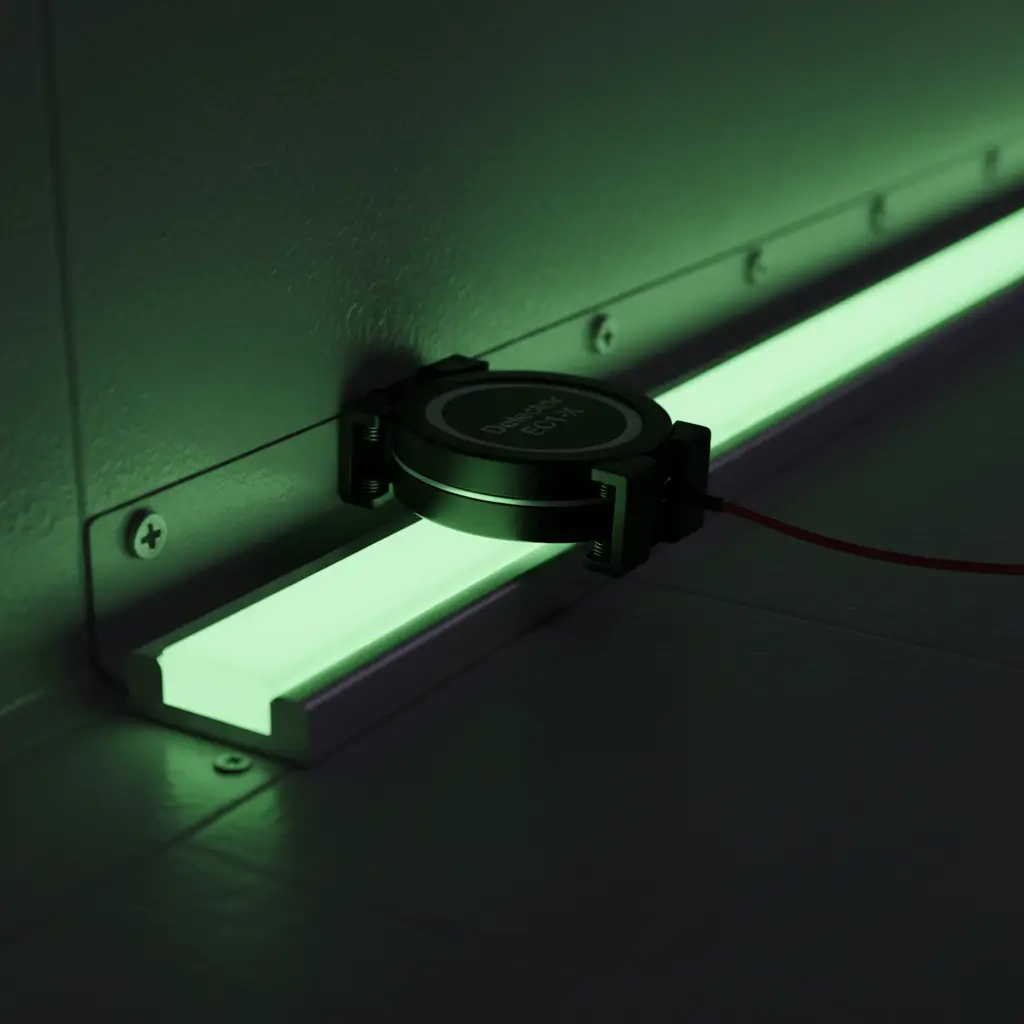
This article provides a technical overview of Low Location Lighting systems on passenger ships, focusing on regulatory requirements, system characteristics and the inspection, testing and documentation process.
What is a Low Location Lighting system
A Low Location Lighting system is installed close to deck level and is intended to clearly indicate escape routes in reduced visibility conditions. By positioning the guidance line below the main smoke layer, LLL systems remain visible even when conventional lighting is obscured.
On passenger ships, LLL systems form part of the vessel’s overall evacuation strategy and are designed to provide continuous visual guidance along corridors, stairways and exits leading to muster stations and embarkation areas.
Low Location Lighting on passenger ships
Passenger ships carrying more than 36 passengers are subject to specific requirements for Low Location Lighting systems. These systems are installed to ensure that passengers can readily identify escape routes during an emergency, particularly in scenarios where smoke reduces the effectiveness of overhead lighting.
The operational objective of LLL on passenger ships is not decorative or supplementary, but functional: to maintain route recognition under emergency conditions and support orderly evacuation.
Low Location Lighting SOLAS requirements
The installation and performance of Low Location Lighting systems on passenger ships are governed by the 1974 SOLAS Convention, as amended. In particular, relevant provisions include:
- SOLAS Chapter II-2, Regulation 28
- SOLAS Chapter II-2, Regulation 41-2
In addition, IMO Resolution A.752(18) and the updated ISO 15370:2021 provide guidelines for the approval, installation and maintenance of Low Location Lighting systems. These guidelines define minimum performance criteria for photoluminescent materials, including luminance levels and duration of afterglow, ensuring that the system remains effective during evacuation.
Photoluminescent Low Location Lighting systems and strips
Many Low Location Lighting systems on passenger ships are based on photoluminescent (PL) materials. These materials absorb ambient light during normal operation and emit visible light when external illumination is lost.
Photoluminescent Low Location Lighting strips are typically installed along escape routes, stair landings and changes of direction. Their effectiveness depends on several factors, including material properties, exposure to adequate charging light and correct installation geometry.
The performance of photoluminescent systems cannot be assessed visually alone and requires measurement against defined standards.
Testing and measurement of Low Location Lighting systems
Testing and measurement of Low Location Lighting systems are mandatory to verify compliance with IMO Resolution A.752(18) and applicable SOLAS regulations. Inspections focus on confirming that the installed system meets the minimum luminance requirements and maintains visibility for the required duration.
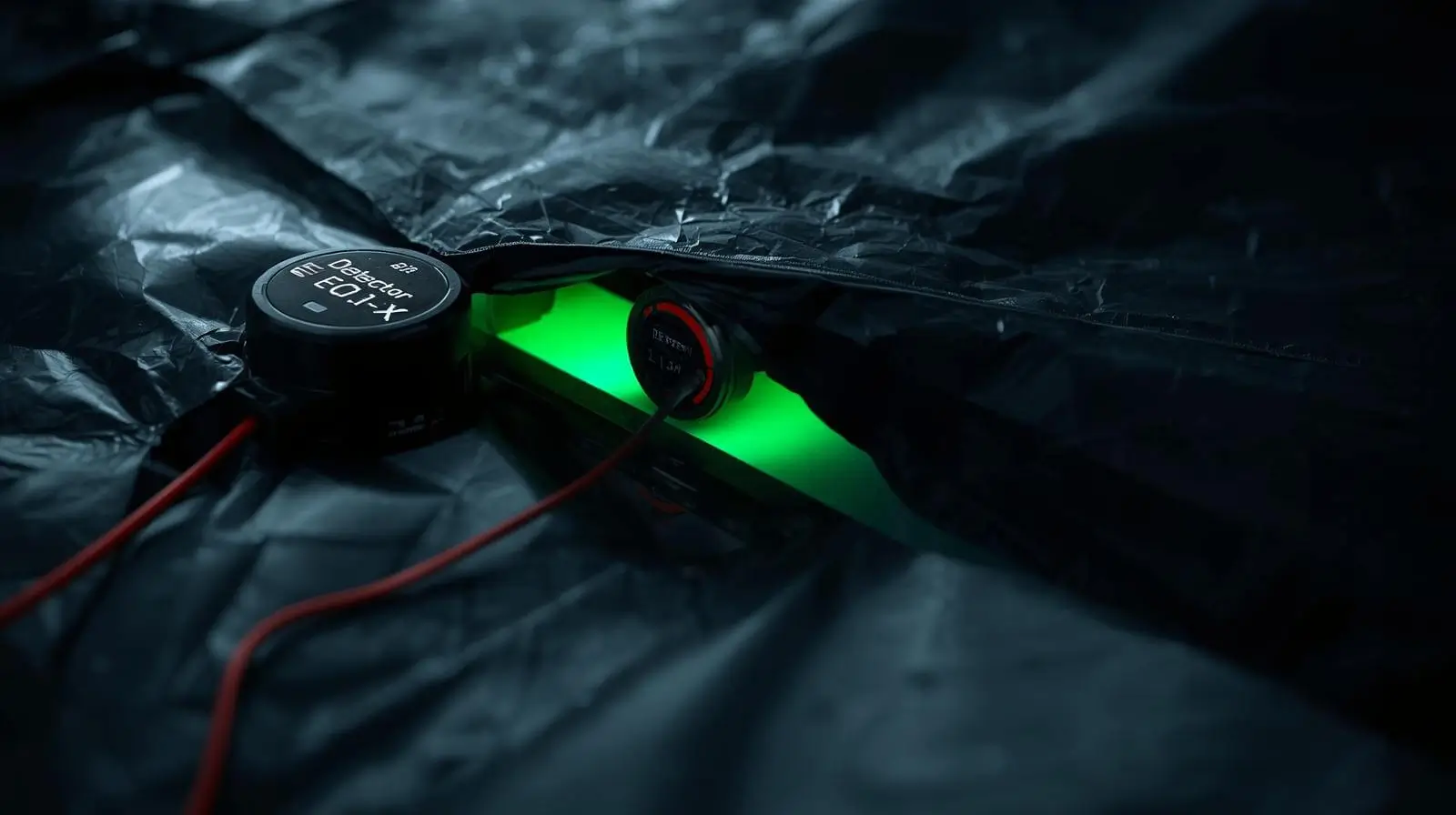
Measurements are carried out in accordance with ISO 15370:2021, which defines the methodology for assessing photoluminescent materials used in Low Location Lighting systems. To ensure maximum accuracy, tests are performed using state-of-the-art, calibrated measurement equipment, such as digital luminance meters and luxmeters.
Typical measurements follow the DIN 67510 Part 2 protocol and include luminance values recorded at specific time intervals after removal of the activating light source, strictly at 2, 10, 30, and 60 minutes. Testing is performed on board under controlled conditions and focuses on areas with the lowest levels of ambient illumination, ensuring that system performance is verified under conservative assumptions.
Documentation and inspection reports
The outcome of LLL testing and measurement is documented in a Luminosity Performance Report, which forms part of the vessel’s safety documentation and is valid for a 5-year period. These reports typically include:
- Identification of tested locations
- Description of installed LLL materials
- Measurement conditions and equipment used
- Recorded luminance values and pass/fail evaluation
- Reference to applicable standards and resolutions
Such documentation is required by classification societies and must be reviewed during statutory surveys and Port State Control (PSC) inspections to ensure the system passes its 5-year survey.
Approved service suppliers for LLL testing
Testing and inspection of Low Location Lighting systems may be carried out by service suppliers approved by classification societies. Marine Lite Printing SA is approved as a Lloyd’s Register Service Supplier for inspections of photoluminescent Low Location Lighting systems and evacuation guidance systems used as an alternative to low location lighting.
This approval is conditional upon compliance with documented procedures, calibrated measurement equipment and qualified personnel, ensuring that inspections are carried out in accordance with applicable international standards.
Low Location Lighting systems play a vital role in passenger ship safety by providing reliable visual guidance during emergency evacuation scenarios. Compliance with SOLAS requirements and IMO guidelines is verified through systematic testing and measurement, supported by documented inspection reports.
Understanding the regulatory framework, system characteristics and testing methodology is essential for ensuring that Low Location Lighting systems continue to perform as intended throughout the vessel’s operational life.