
Table of Contents
- Is there a mandatory replacement period?
- What do SOLAS regulations require?
- What role do IMO guidelines play?
- Do ISO standards define replacement?
- Why is a 5-year period referenced?
- When must marine safety signs be replaced?
- How often should signs be inspected?
- Do PSC inspections check the age?
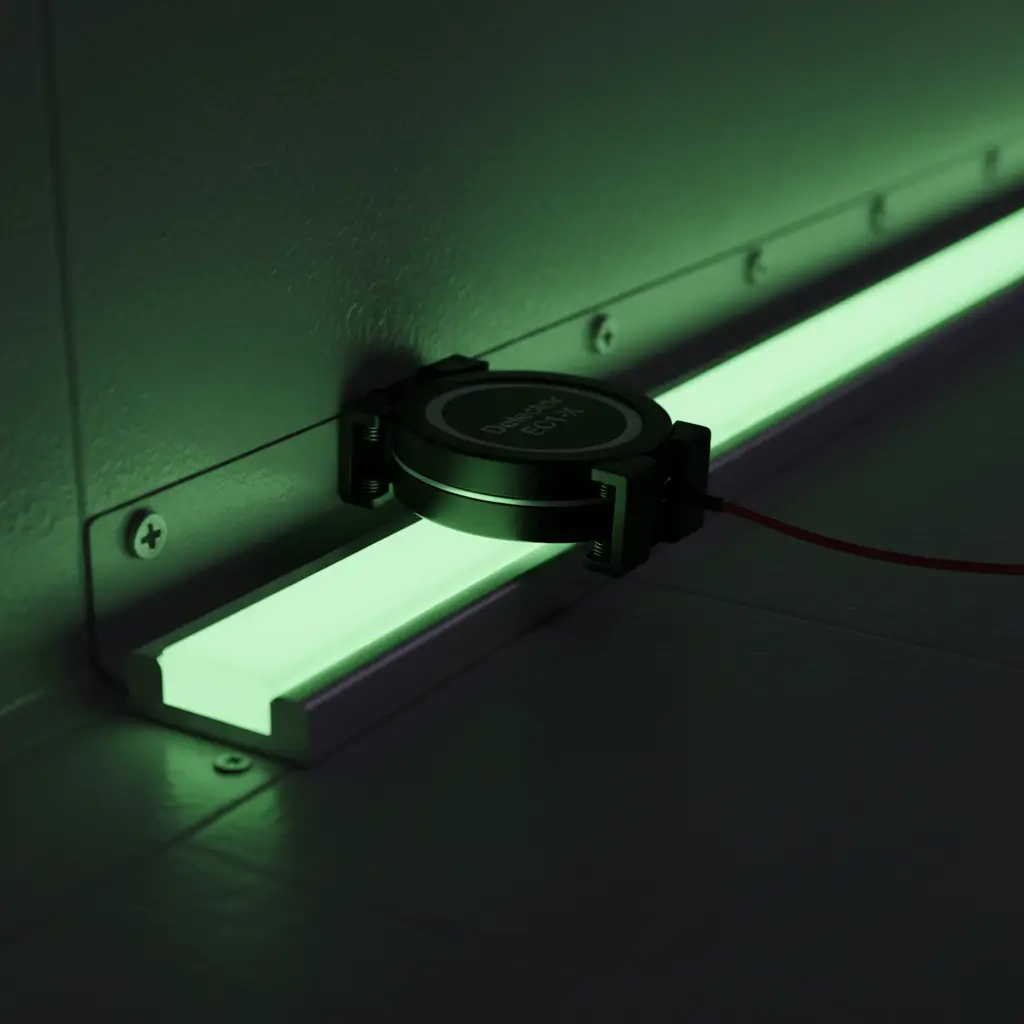
- Are photoluminescent signs affected by time?
- Who is responsible for deciding replacement?
Is there a mandatory replacement period for marine safety signs?
No.
International maritime regulations do not define a fixed time-based replacement interval for marine safety signs.
Instead, regulations require that safety signs remain:
- Legible
- Visible
- Correct in content and placement
- Effective under normal and emergency conditions
Replacement is therefore condition-based, not age-based.
What do SOLAS regulations require?
According to the SOLAS Convention, particularly Chapter II-2 (Fire Protection, Detection and Extinction), ships must display appropriate safety signs to support:
- Fire safety
- Means of escape
- Emergency response
- Passenger and crew guidance
SOLAS focuses on availability and effectiveness, not on the age or manufacturing date of signs.
What role do IMO guidelines play?
IMO instruments and circulars support SOLAS by:
- Defining standardized symbols and layouts
- Requiring consistency across vessels
- Ensuring recognisability in emergency situations
They do not establish a replacement timeline. Compliance is assessed based on correct application and condition.
Do ISO standards define when signs must be replaced?
No.
Relevant ISO standards include:
- ISO 7010 – Safety signs and symbols
- ISO 17398 – Photoluminescent safety markings
- ISO 3864 – Design principles for safety signs
These standards define:
- Design criteria
- Color and contrast
- Luminance and visibility requirements
They require that signs meet performance criteria, but do not specify a lifespan.
Why is a 5-year replacement period often referenced?
The 5-year period is not a regulatory requirement.
It is commonly referenced because:
- Photoluminescent materials may gradually lose performance
- Five years often aligns with dry-docking or major refit cycles
- Operators frequently conduct full safety signage reviews at this interval
This should be understood as a maintenance benchmark, not a legal obligation.
When must marine safety signs be replaced?
A marine safety sign should be replaced if it:
- Is no longer legible
- Shows fading or loss of contrast
- Does not meet photoluminescent performance requirements
- Is physically damaged (cracks, peeling, deformation)
- Displays outdated or non-compliant symbols
- No longer corresponds to the vessel’s layout or escape routes
Age alone is not sufficient justification for replacement.

How often should marine safety signs be inspected?
| Inspection Activity | Common Practice |
|---|---|
| Visual condition check | During routine safety rounds |
| Compliance review | During statutory surveys |
| Photoluminescent performance review | At dry-dock or refit |
| Full signage assessment | Commonly around 5 years |
Inspection intervals may vary depending on vessel type and operating conditions.
Do Port State Control inspections check the age of safety signs?
No.
Port State Control inspections focus on:
- Visibility and legibility
- Correct symbols and wording
- Proper placement
- Effectiveness during emergency conditions
The manufacturing or installation date is not an inspection criterion.
Are photoluminescent signs affected by time?
Yes.
Performance may be affected by:
- UV exposure
- Humidity
- Cleaning chemicals
- Mechanical wear
For this reason, visual inspection and performance evaluation are more reliable than age-based assumptions.

Who is responsible for deciding replacement?
Replacement decisions are typically made by:
- Ship Owners
- Ship Operators
- Technical Managers
- Safety Officers
Decisions are based on:
- Inspection findings
- Surveyor observations
- Regulatory updates
- Internal safety management procedures
Summary
| Topic | Key Point |
|---|---|
| Fixed replacement interval | Not defined |
| SOLAS / IMO requirement | Condition-based |
| ISO standards | Performance-based |
| 5-year reference | Industry practice |
| Replacement trigger | Legibility and compliance |
Regulatory References (Non-Exhaustive)
- SOLAS Convention, Chapter II-2
- IMO safety signage guidelines and circulars
- ISO 7010 – Safety signs and symbols
- ISO 17398 – Photoluminescent safety markings
- ISO 3864 – Safety sign design principles
References are provided for contextual guidance and should be interpreted alongside statutory surveys and flag state requirements.
Need to Upgrade Your Marine Safety Signage?
Ensure your vessel complies with the latest SOLAS and ISO standards. We provide top-quality, certified photoluminescent signs and LLL systems worldwide.
Request a Quote TodayNote: This article is provided as technical guidance based on:
- International maritime regulations
- Applicable ISO standards
- Practical experience with vessel inspections and safety signage
It does not replace statutory requirements, flag state rules, or surveyor judgment.
 Wrapping up
 Exhibition Stand in Progress
 Conversations. Connections. Shared ideas.
 We’ll be there — at Booth 92, alongside our partner